
Cartilage Restoration Procedures in San Antonio, TX
Why Cartilage Restoration Matters
Articular cartilage is the smooth, white tissue that covers the ends of bones where they form a joint. It has no blood supply and essentially no ability to heal itself once damaged. A cartilage defect — from trauma, osteochondral dissecans, or focal wear — creates a crater in the joint surface that concentrates force, causes pain and, if left untreated, enlarges over time as the surrounding cartilage deteriorates.
In a younger, active patient with a focal cartilage defect and otherwise healthy joint surfaces, cartilage restoration is not just a pain-relief strategy — it is an investment in delaying or potentially avoiding joint replacement. Not every defect warrants restoration, but every significant defect deserves a conversation about what the natural history looks like without treatment.
Procedures I Offer
- OATS
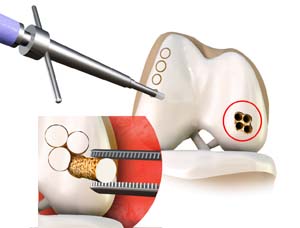
OATs restores a full-thickness cartilage and bone plug from a donor graft to fill a defect in the recipient joint. It is my preferred procedure for larger defects (over 2 to 3 cm²) where microfracture or autograft techniques are insufficient. The donor tissue provides immediate structural support and viable cartilage cells. Careful size matching and precise technique determine whether the transplanted plug survives and integrates.
Know More - Matrix-induced Autologous Chondrocyte Implantation (MACI)
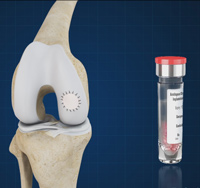
MACI is a two-stage procedure. In the first stage I harvest cartilage cells from a non-load-bearing area of your joint. Those cells are then cultured in a laboratory on a collagen scaffold and returned for implantation — the second surgical stage — approximately 4 to 6 weeks later. MACI produces cartilage that is biologically your own and is well-suited for larger, irregularly shaped defects. It is one of the most demanding procedures I perform in terms of technique and postoperative compliance requirements.
Know More - Cartiheal Agili-C
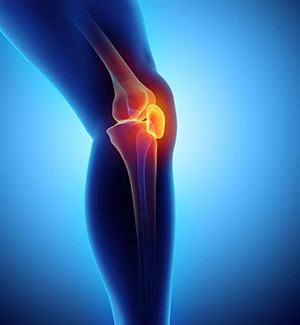
Treat knee cartilage lesions and osteochondral defects in a single-stage procedure, even in the presence of mild to moderate osteoarthritis (Kellgren-Lawrence 0-3),1,2 with the porous, biocompatible CARTIHEAL◊ AGILI-C◊ Cartilage Repair Implant; shown to be clinically superior to the current surgical standard of care in level 1 clinical data.
Know More - Osteochondral Allograft Transplantation
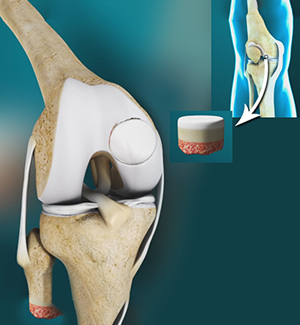
Osteochondral allograft transplantation is a surgical procedure used to repair damaged cartilage and underlying bone in a joint, most commonly the knee. The procedure involves transplanting healthy cartilage and bone tissue from a donor into the area where cartilage has been damaged or lost. This procedure is typically used for larger cartilage defects that cannot be treated with smaller cartilage repair procedures.
Know More
Microfracture
Microfracture stimulates the body's own marrow to fill a small defect with fibrocartilage — a durable but biomechanically inferior repair tissue compared to hyaline cartilage. I reserve microfracture for small defects under 2 cm² in younger patients where more advanced procedures are not yet indicated. The long-term outcomes of microfracture in large defects or high-demand patients are not favorable.
Recovery
Cartilage restoration procedures share a common theme: the cartilage must be mechanically protected while it heals. Most patients are on protected weight-bearing with a brace for 6 to 8 weeks after the procedure. Return to high-impact activity or competitive sport typically occurs at 9 to 18 months depending on the procedure and defect size. This is a long commitment, and I am transparent about that before surgery is scheduled.
Cartilage restoration is most successful in patients under 50 with focal defects, normal alignment and a stable joint. I evaluate all of these factors as part of the candidacy assessment.
Ready to take the next step? Call (210) 878-4113 or request an appointment at sportssurgeryspecialist.com.