
Osteochondral Allograft Transplantation
What Is Osteochondral Allograft Transplantation?
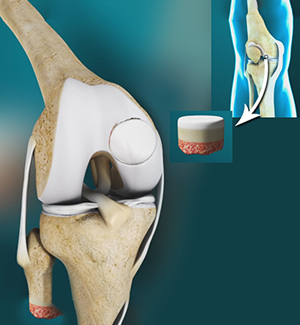
Osteochondral allograft transplantation is a surgical procedure used to repair damaged cartilage and underlying bone in a joint, most commonly the knee. The procedure involves transplanting healthy cartilage and bone tissue from a donor into the area where cartilage has been damaged or lost. This procedure is typically used for larger cartilage defects that cannot be treated with smaller cartilage repair procedures.
Cartilage damage can occur due to injury, sports injuries, osteochondritis dissecans, or early arthritis. Because cartilage does not heal well on its own, this procedure helps restore the joint surface, reduce pain, and improve joint function. Osteochondral allograft transplantation is considered a joint preservation procedure because it helps preserve the natural joint and may delay or prevent the need for joint replacement surgery.
When Is Osteochondral Allograft Transplantation Recommended?
Osteochondral allograft transplantation is usually recommended when non-surgical treatments and other cartilage repair procedures are not appropriate. This procedure may be recommended in the following situations:
- Large cartilage defects in the knee or other joints
- Osteochondral lesions involving cartilage and bone
- Osteochondritis dissecans
- Failed previous cartilage repair procedures
- Persistent joint pain despite non-surgical treatment
- Cartilage damage after sports injuries or trauma
- Young or active patients who are not candidates for joint replacement
- Early joint arthritis with localized cartilage damage
What Does Preparation for Osteochondral Allograft Transplantation Involve?
Preparation for osteochondral allograft transplantation typically includes a thorough medical evaluation, physical examination, and imaging studies such as X-rays or MRI to evaluate the size and location of the cartilage defect. Patients may need blood tests and medical clearance prior to surgery.
Patients are often advised to stop certain medications before surgery and may begin preoperative physical therapy to improve strength and range of motion. Planning for post-surgical recovery, including crutches, braces, and physical therapy, is also an important part of preparation.
How Is Osteochondral Allograft Transplantation Performed?
During osteochondral allograft transplantation, the surgeon first removes the damaged cartilage and bone from the joint. A matching graft containing healthy cartilage and bone from a donor is then shaped to fit the defect. The graft is placed into the prepared area and secured so it fits flush with the surrounding cartilage surface.
Over time, the transplanted bone integrates with the patient’s bone, and the cartilage surface helps restore smooth joint movement. The procedure may be performed using open surgery or arthroscopic-assisted techniques depending on the size and location of the defect.
What to Expect During Recovery After Osteochondral Allograft Transplantation?
Recovery after osteochondral allograft transplantation takes several months and usually involves physical therapy to restore joint motion, strength, and function. Patients may need to use crutches and limit weight-bearing for a period of time to allow the graft to heal properly.
Swelling and discomfort are common initially but improve over time. Most patients gradually return to normal activities, and full recovery may take several months depending on the size of the graft and the joint involved.
What Are the Risks and Complications of Osteochondral Allograft Transplantation?
As with any surgical procedure, there are potential risks and complications. These may include:
- Infection
- Blood clots
- Graft failure or non-healing
- Joint stiffness
- Continued pain
- Swelling
- Nerve or blood vessel injury
- Need for additional surgery
What Are the Benefits of Osteochondral Allograft Transplantation?
Osteochondral allograft transplantation can provide several benefits for patients with cartilage damage. Potential benefits include:
- Restores damaged cartilage and bone
- Reduces joint pain
- Improves joint function and mobility
- Preserves the natural joint
- May delay or prevent joint replacement surgery
- Allows return to sports and activities
- Effective treatment for large cartilage defects