
Shoulder Fracture
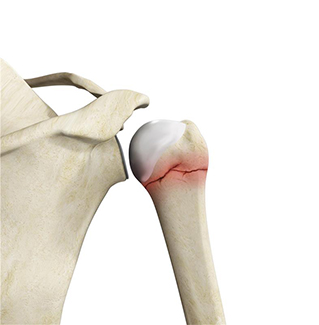
Shoulder Anatomy
The shoulder is the most flexible joint in the body, enabling a wide range of movements. It is a ball-and-socket joint made up of three bones, namely the humerus, scapula and clavicle. The head of the humerus (upper arm bone) articulates with the socket of the scapula (shoulder blade) called the glenoid cavity. Tendons and ligaments around the shoulder joint provide strength and stability to the joint.
What is a Shoulder Fracture?
A break in a bone that makes up the shoulder joint is called a shoulder fracture.
Types of Fractures
The fractures at the top of the humerus closest to the shoulder are the bones that usually get fractured. The scapula on the other hand is not easily fractured because of its protective cover by the surrounding muscles and soft tissue.
Causes of Shoulder Fracture
Humerus fractures can occur by a direct hit from a motor vehicle accident, collision or fall. A fracture of the scapula can occur by high-energy trauma during an accident from a high-speed motor vehicle.
Signs and Symptoms of Shoulder Fracture
The common signs and symptoms of shoulder fracture may include:
- Pain
- Swelling
- Bruising
- Difficulty in lifting your arm
- Numbness, tingling or coldness of the hand and forearm
- Popping sound, also referred to as crepitus, heard or felt at the time of the fracture
Diagnosis of Shoulder Fracture
A shoulder fracture is usually diagnosed based on a thorough physical examination, and imaging studies such as X-rays and CT scans.
Treatments for Shoulder Fractures
The treatment for a shoulder fracture is based on the type of fracture. Treatment can include non-surgical and surgical methods.
The treatment for a shoulder fracture is based on the type of fracture. Treatment can include non-surgical and surgical methods. Many fractures can heals without surgery. Non-surgical treatments for shoulder fractures may include immobilization by placing your arm in a sling, pain medication and physical therapy. If the fracture has led to the displacement of the bones, then surgery may be required to correct and fix them with plates and screws, nails or replacement surgery. Post-surgery, physical therapy may be recommended to aid in the recovery and improve range-of-motion and strength of the arm.
Quick Links
- Shoulder Anatomy
- Arthritis of the Shoulder
- Rotator Cuff Tear
- Shoulder Dislocation
- Frozen Shoulder
- Shoulder Instability
- Shoulder Fracture
- Biceps Tendon Rupture
- Shoulder Arthroscopy
- Total Shoulder Replacement
- Reverse Shoulder Replacement
- Shoulder Hemiarthroplasty
- Rotator Cuff Repair
- Shoulder Stabilization