
Anatomic Shoulder Replacement/Shoulder Arthritis Surgery
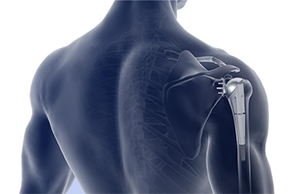
Anatomic shoulder replacement is a proven surgical procedure designed to relieve pain and restore function in patients with advanced shoulder arthritis. Unlike reverse shoulder replacement, this procedure preserves the shoulder’s natural anatomy by replacing damaged joint surfaces with prosthetic components that mimic the normal ball-and-socket structure. It is most appropriate when the rotator cuff tendons remain intact and functional.
What Is Anatomic Shoulder Replacement/Total Shoulder Arthroplasty?
Anatomic shoulder replacement, also called total shoulder arthroplasty, involves replacing the arthritic humeral head (ball) with a metal implant and resurfacing the glenoid (socket) with a durable polyethylene component. The goal is to restore smooth joint movement, reduce pain, and improve strength and range of motion while maintaining the shoulder’s natural biomechanics.
Anatomy
The shoulder is a highly mobile ball-and-socket joint made up of:
- The humeral head (ball) at the top of the upper arm bone
- The glenoid (socket) of the shoulder blade
- Articular cartilage that cushions the joint surfaces
- The rotator cuff muscles and tendons that stabilize and move the joint
- The deltoid muscle that powers arm elevation
In a healthy shoulder, cartilage allows the ball to glide smoothly within the socket while the rotator cuff maintains proper alignment and stability.
Pathology
Anatomic shoulder replacement is typically performed to treat advanced glenohumeral arthritis. Over time, cartilage wears away, leading to bone-on-bone contact. This causes pain, stiffness, inflammation and reduced motion. Common underlying conditions include primary osteoarthritis, post-traumatic arthritis and inflammatory arthritis. When non-surgical treatments no longer provide relief, joint replacement may be considered.
When Is Anatomic Shoulder Replacement Recommended?
This procedure may be recommended after conservative treatments fail and the patient has:
- Advanced osteoarthritis with preserved rotator cuff function
- Rheumatoid or inflammatory arthritis affecting the shoulder
- Post-traumatic arthritis following fractures or injuries
- Severe pain limiting daily activities and sleep
- Significant stiffness and reduced range of motion
A thorough physical exam and imaging studies help confirm that the rotator cuff is intact and the joint is suitable for an anatomic replacement.
What Does Preparation for Anatomic Shoulder Replacement Involve?
Preparation includes a comprehensive orthopaedic evaluation, imaging such as X-rays or CT scans and medical risk stratification from a primary care physician. Patients may undergo lab testing and medication review. Preoperative planning may include physical therapy to optimize shoulder strength and education about postoperative recovery. Arranging assistance at home during the initial healing phase is also recommended.
How Is Anatomic Shoulder Replacement Performed?
The procedure is performed under anesthesia through an incision at the front of the shoulder. The surgeon removes the damaged humeral head and prepares the bone to accept a metal implant. The glenoid surface is carefully resurfaced with a polyethylene component. The implants are positioned to recreate normal joint alignment, and the incision is closed.
What to Expect During Recovery After Anatomic Shoulder Replacement?
Recovery typically spans several months. A sling is worn for a few weeks, and structured physical therapy begins soon after surgery. Early rehabilitation focuses on gentle motion, followed by strengthening exercises. Most patients experience substantial pain relief and improved function, with continued progress over four to six months, but can see improvement over 1st year.
Pathology
Total shoulder arthroplasty is typically performed to treat severe glenohumeral arthritis. As cartilage wears away, bone rubs against bone, leading to pain, stiffness, grinding sensations, and loss of motion. Common causes include primary osteoarthritis, rheumatoid arthritis, post-traumatic arthritis and avascular necrosis. When medications, injections, and physical therapy no longer provide relief, joint replacement may be recommended.
When Is Total Shoulder Arthroplasty Recommended?
This procedure may be recommended when non-surgical treatments have failed and the patient has:
- Advanced shoulder osteoarthritis
- Persistent pain that interferes with sleep and daily activities
- Significant stiffness and limited range of motion
- Joint damage confirmed by imaging studies
A careful evaluation ensures the rotator cuff is functional and that total shoulder arthroplasty is the most appropriate option.
What Does Preparation for Total Shoulder Arthroplasty Involve?
Preparation begins with a comprehensive orthopedic evaluation and imaging studies such as X-rays and CT scans. Medical clearance, lab work and medication adjustments may be required. Patients are educated about the surgical process, recovery expectations and postoperative therapy. Planning for assistance at home during the initial recovery period is strongly encouraged.
How Is Total Shoulder Arthroplasty Performed?
The procedure is performed under anesthesia with a regional nerve block through an incision along the front of the shoulder. The surgeon removes the damaged humeral head, prepares the bone, and implants the metal component. The glenoid is resurfaced with a polyethylene socket. The implants are carefully positioned to restore alignment and smooth motion before closing the incision.
What to Expect During Recovery After Total Shoulder Arthroplasty?
Recovery typically takes several months. Patients wear a sling for several weeks while beginning guided physical therapy. Early rehabilitation focuses on gentle range-of-motion exercises, followed by gradual strengthening. Most patients experience significant pain relief and improved shoulder function, with continued improvement over four to six months.
Quick Links
- Shoulder Anatomy
- Arthritis of the Shoulder
- Rotator Cuff Tear
- Shoulder Dislocation
- Frozen Shoulder
- Shoulder Instability
- Shoulder Fracture
- Biceps Tendon Rupture
- Shoulder Arthroscopy
- Total Shoulder Replacement
- Reverse Shoulder Replacement
- Shoulder Hemiarthroplasty
- Rotator Cuff Repair
- Shoulder Stabilization