
Failed Rotator Cuff Repair Treatment
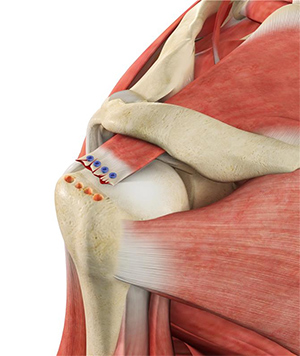
Failed rotator cuff repair treatment refers to the evaluation and management of persistent pain, weakness or recurrent tearing after a previous rotator cuff surgery. While many patients experience excellent outcomes following repair, some may develop continued symptoms due to re-tear, incomplete healing, stiffness or other complications. Treatment focuses on identifying the cause of failure and restoring shoulder comfort and function.
What Is Failed Rotator Cuff Repair Treatment?
Failed rotator cuff repair treatment involves both non-surgical and surgical strategies to address ongoing shoulder problems after an initial repair. The approach depends on factors such as patient age, activity level, tear size, tendon quality and the condition of the surrounding muscles and joints. The goal is to find out why the tissue failed or did not heal. Was it the fixation method, the tissue quality of rotator cuff, muscle or bone, or poor nutrition. In some cases, revision rotator cuff repair is possible and often with augmentation. In other patients failed rotator cuff tendon surgery, alternative procedures may be more appropriate.
Anatomy
The rotator cuff is made up of four muscles and tendons that stabilize the shoulder joint and allow lifting and rotation of the arm:
- Supraspinatus
- Infraspinatus
- Subscapularis
- Teres minor
These tendons attach to the humeral head and work with the deltoid muscle to provide smooth, coordinated motion. Healthy tendon tissue and adequate blood supply are essential for successful healing after repair.
Pathology
Failure after rotator cuff repair may occur for several reasons. The tendon may not fully heal to the bone, or a new tear may develop due to poor tissue quality, trauma, poor mechanics or overuse. Other causes include stiffness (arthrofibrosis), infection, anchor loosening or progression of arthritis. Large or chronic tears are at higher risk for re-tear, especially if muscle atrophy or fatty degeneration is present.
When Is Failed Rotator Cuff Repair Treatment Recommended?
Further treatment may be recommended when a patient experiences persistent symptoms such as:
- Ongoing shoulder pain after surgery
- Weakness that limits daily activities
- Loss of motion or stiffness
- Imaging-confirmed re-tear
- Mechanical symptoms such as catching or instability
A thorough clinical exam and imaging studies, often including MRI or ultrasound, help guide the next steps.
What Does Preparation for Failed Rotator Cuff Repair Treatment Involve?
Preparation begins with a comprehensive orthopaedic evaluation to determine the cause of failure. Imaging studies assess tendon integrity, muscle quality and joint health. If surgery is recommended, medical risk stratification and medication adjustments may be necessary. Patients are counseled about realistic expectations, as outcomes depend on tissue quality and overall shoulder condition.
How Is Failed Rotator Cuff Repair Treatment Performed?
Treatment varies based on the diagnosis. Non-surgical management may include physical therapy, anti-inflammatory medications, or corticosteroid injections. If revision surgery is indicated, the procedure will be performed. The surgeon may attempt tendon revision repair, use graft/implant augmentation, perform tendon transfer, or in severe cases recommend reverse shoulder replacement.
What to Expect During Recovery After Failed Rotator Cuff Repair Treatment?
Recovery depends on the specific procedure performed. Non-surgical care may improve symptoms within weeks. After revision surgery, a sling is typically worn for several weeks, followed by structured physical therapy. Rehabilitation may take several months, and full-strength recovery depended on details of what tissue was torn. With appropriate treatment, many patients experience meaningful pain relief and improved shoulder function.
Quick Links
- Shoulder Anatomy
- Arthritis of the Shoulder
- Rotator Cuff Tear
- Shoulder Dislocation
- Frozen Shoulder
- Shoulder Instability
- Shoulder Fracture
- Biceps Tendon Rupture
- Shoulder Arthroscopy
- Total Shoulder Replacement
- Reverse Shoulder Replacement
- Shoulder Hemiarthroplasty
- Rotator Cuff Repair
- Shoulder Stabilization