
Young Person with Shoulder Arthrtitis
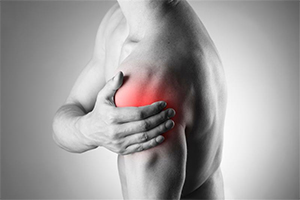
Arthritis is often thought of as a condition that affects older adults, but many young patients experience joint pain, stiffness and inflammation long before middle age. When arthritis develops in adolescents, young adults, it can interfere with school, sports, careers and overall quality of life. Early recognition and proper treatment are essential to protect joint health and maintain long-term mobility.
What Is Arthritis in a Young Person?
Arthritis in a young patient refers to inflammation or degeneration of a joint occurring before the typical age associated with age-related osteoarthritis. It may involve autoimmune conditions, prior injuries, genetic factors or metabolic disorders. Unlike the gradual “wear-and-tear” arthritis seen later in life, arthritis in younger individuals often has an identifiable underlying cause and may progress differently. Prompt evaluation by an orthopaedic specialist helps determine the type of arthritis and the most appropriate treatment plan.
Anatomy
Joints are where two or more bones meet, allowing movement and flexibility. Healthy joints are made up of:
- Articular cartilage – a smooth, protective surface covering the ends of bones
- Synovial membrane – a thin lining that produces lubricating fluid
- Synovial fluid – reduces friction during movement
- Ligaments and tendons – provide stability and control motion
- Subchondral bone – supports the cartilage structure
When these structures function properly, movement is smooth and pain-free. In arthritis, one or more of these components may become inflamed or damaged.
Pathology
In young people, arthritis may result from inflammation of the synovial lining, breakdown of cartilage, or both. Inflammatory forms, such as juvenile idiopathic arthritis or rheumatoid arthritis, cause the immune system to mistakenly attack joint tissues. Over time, persistent inflammation can erode cartilage and bone.
Post-traumatic arthritis can develop after a fracture, ligament tear or cartilage injury, leading to premature joint degeneration. If left untreated, these changes may cause chronic pain, stiffness and reduced joint function.
What Are the Causes of Arthritis in a Young Person?
Arthritis in younger individuals can develop for several reasons, including:
- Autoimmune disorders (e.g., juvenile idiopathic arthritis, rheumatoid arthritis)
- Previous joint injuries such as dislocations, fractures or ligament tears
- Genetic predisposition or family history of arthritis
- Infections affecting the joint (septic arthritis)
- Metabolic conditions like gout
- Repetitive overuse from sports or physically demanding activities
Identifying the root cause is critical for guiding effective treatment.
What Are the Symptoms of Arthritis in a Young Person?
Symptoms may vary depending on the type and severity of arthritis but commonly include:
- Persistent joint pain
- Swelling or warmth around the joint
- Morning stiffness lasting more than 30 minutes
- Reduced range of motion
- Fatigue (especially in inflammatory arthritis)
- Joint instability or weakness
- Painful popping, locking or clicking
Early diagnosis and individualized treatment, ranging from physical therapy and medications to minimally invasive procedures, can help young people stay active and protect their joints.
Quick Links
- Shoulder Anatomy
- Arthritis of the Shoulder
- Rotator Cuff Tear
- Shoulder Dislocation
- Frozen Shoulder
- Shoulder Instability
- Shoulder Fracture
- Biceps Tendon Rupture
- Shoulder Arthroscopy
- Total Shoulder Replacement
- Reverse Shoulder Replacement
- Shoulder Hemiarthroplasty
- Rotator Cuff Repair
- Shoulder Stabilization